



AN vs. AF Cooling in Dry Type Transformers: What Are the Differences in Cooling Performance?
Release time: 2026-11-12
Table of Contents
Dry type transformers are widely used in factories, commercial buildings, hospitals, data centers, and renewable energy projects. Since their windings and cores generate heat during operation, an effective cooling method is essential for maintaining insulation performance, controlling temperature rise, and supporting stable power distribution. Two common cooling methods are AN (Air Natural) and AF (Air Forced).
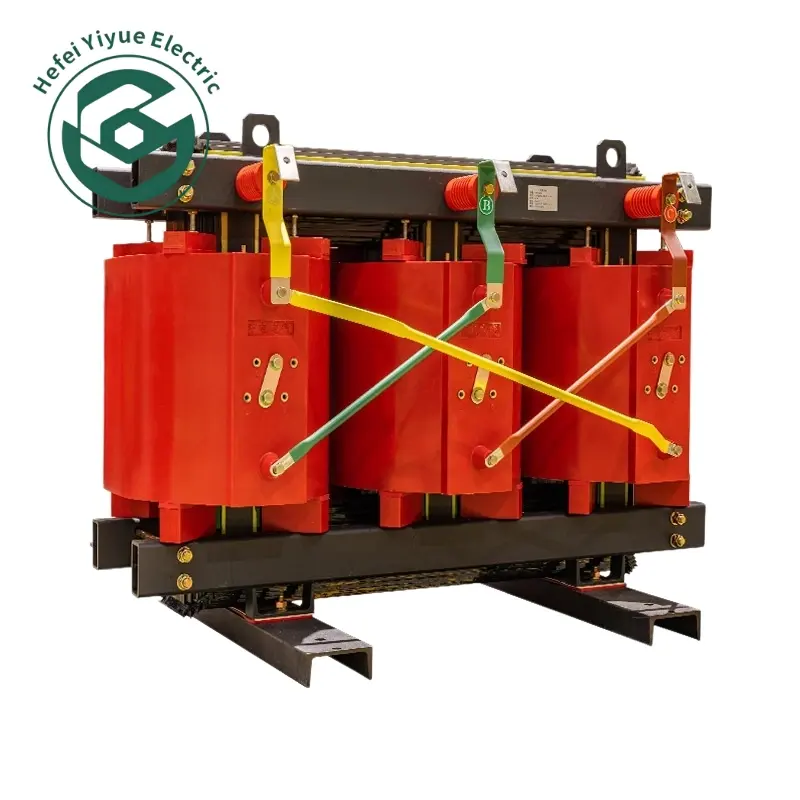
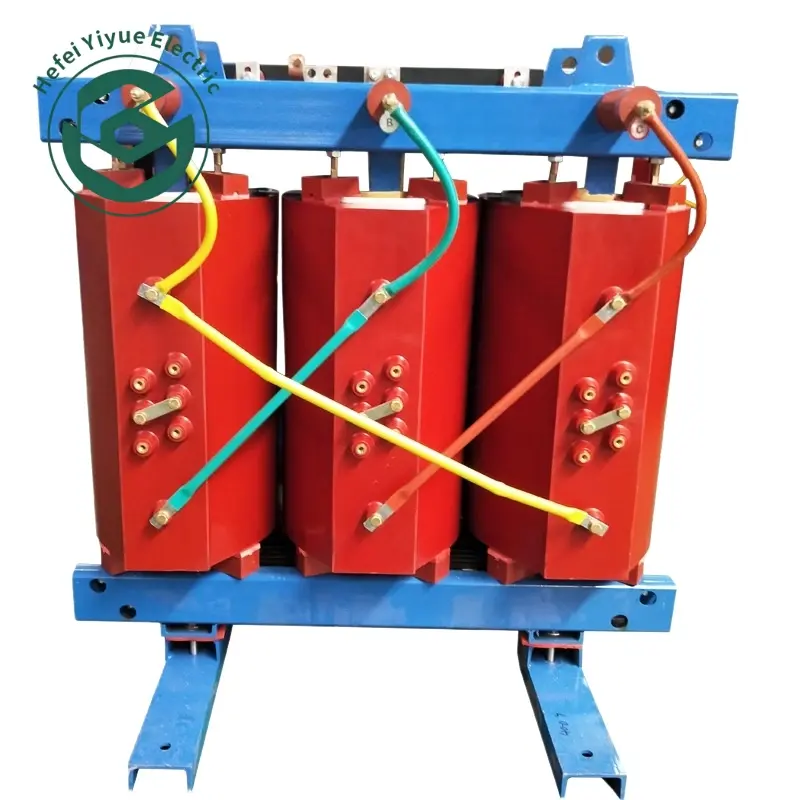
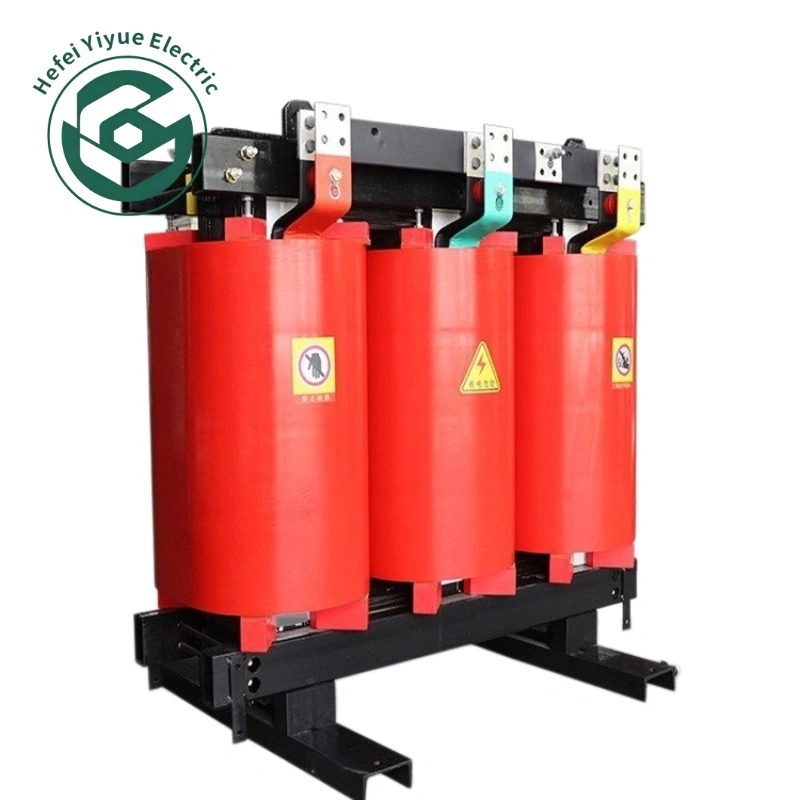
Understanding the differences between these methods helps users select a transformer that matches their load conditions and operating environment. Hefei Yiyue Electrical Equipment Trading Co., Ltd provides a range of dry type transformers, including epoxy resin cast models with AN and AF cooling configurations, for different power distribution requirements.
1. How Does AN Cooling Work in Dry Type Transformers?
AN stands for Air Natural cooling. In this arrangement, heat is removed through the natural circulation of air around the transformer windings and core. As the internal components become warm, the surrounding air heats up and rises, allowing cooler air to move in and continue the cooling process.
This method does not rely on auxiliary cooling fans. Its relatively simple structure makes it suitable for installations where the transformer operates under normal load conditions and natural airflow is sufficient.
Main Characteristics of AN Cooling
- Natural heat dissipation: Air circulates without mechanical assistance from cooling fans.
- Simple structure: Fewer auxiliary components are required.
- Low operating noise: No cooling fan noise is generated during normal AN operation.
- Reduced auxiliary power consumption: The cooling system does not require fan power.
- Straightforward maintenance: There are no cooling fans that require routine inspection or replacement.
AN cooling is commonly used in dry type transformers installed in commercial buildings, schools, hospitals, and industrial facilities. For example, the 400kVA SCB10 dry type transformer uses AN cooling as its standard configuration. It also supports optional AF cooling for applications that require additional heat dissipation.
However, natural air circulation has limits. When the transformer operates under heavier loads or in an environment with restricted ventilation, heat may accumulate more quickly. In these situations, forced-air cooling may be worth considering.
2. How Does AF Cooling Work in Dry Type Transformers?
AF stands for Air Forced cooling. Unlike AN cooling, this method uses auxiliary fans to move air across the transformer windings and other heat-generating components. The forced airflow helps remove heat more quickly and improves the cooling capacity of the transformer.
AF cooling is useful when the transformer experiences changing loads, higher operating temperatures, or temporary periods of increased demand. Depending on the transformer design, the fans may operate under automatic temperature control or other control arrangements.
Main Characteristics of AF Cooling
Forced airflow: Fans increase air movement around the transformer.
- Improved heat dissipation: Additional airflow helps remove heat from the windings and core.
- Support for higher loads: Fan-assisted cooling can improve the transformer’s ability to handle certain overload conditions.
- Additional equipment: Fans and their control components require inspection and maintenance.
- Fan operating noise: The cooling system produces some additional noise when the fans are running.
The 500kVA epoxy resin cast dry type transformer in the product range provides a practical example of temperature management. It is equipped with PT100 temperature sensors, automatic fan control, and over-temperature alarm and trip functions. These features help monitor operating conditions and manage cooling when required.
The 200kVA SCB13 dry type transformer also provides a specific example of AF performance. Its technical specifications state a maximum overload capacity of 140% of rated load with fans. This figure applies to that product’s stated configuration and should not be treated as a universal rating for all AF-cooled transformers.
3. AN vs. AF Cooling: What Are the Main Performance Differences?
Both methods are used to control the temperature of dry type transformers, but they differ in how air moves, how much cooling support is available, and what additional equipment is required.
| Comparison Item | AN Cooling | AF Cooling |
| Cooling principle | Natural air circulation | Fan-assisted forced airflow |
| Air movement | Relies on natural convection | Increased by auxiliary fans |
| Heat dissipation | Depends on natural airflow and installation conditions | Provides additional heat removal through forced airflow |
| Auxiliary equipment | No cooling fans required | Requires cooling fans and related controls |
| Operating noise | Generally lower | Additional fan noise during operation |
| Auxiliary power | No fan power required | Fans consume additional electrical power |
| Maintenance | Fewer cooling components | Fans and controls require inspection |
| Load conditions | Suitable when natural cooling meets operating requirements | Useful when additional cooling support is needed |
The main difference is not simply that one method is better than the other. The appropriate choice depends on the transformer’s rated design, actual load, ambient temperature, ventilation, and operating requirements.
For installations with relatively stable loads and adequate natural ventilation, AN cooling may be sufficient. Where loads fluctuate or additional cooling capacity is needed, AF cooling offers greater flexibility.
4. How Does Cooling Method Affect Transformer Load Capacity?
Transformer load capacity is closely related to operating temperature. When electrical current passes through the windings, resistance produces heat. The core also generates losses during operation. If this heat cannot be removed effectively, the temperature of the insulation system may rise beyond its permitted operating range.
AN cooling relies on natural air movement to remove this heat. Under suitable operating conditions, it can maintain the required temperature without additional equipment. However, during periods of increased demand, natural heat dissipation may become less suitable for the required operating conditions.
AF cooling adds forced airflow to improve heat removal. This can support higher loading under the conditions specified by the transformer manufacturer. It is particularly relevant for facilities where electrical demand changes throughout the day or where temporary peak loads occur.
Two products illustrate how these requirements can differ:
- 200kVA SCB13 transformer: Its specifications state that the maximum overload capacity can reach 140% of rated load with fans. This provides a product-specific reference for fan-assisted operation.
- 400kVA SCB10 transformer: Its product description identifies AF cooling as an option for improving overload capability and meeting temporary peak-load requirements.
It is important to distinguish between cooling capacity and the transformer’s overall electrical rating. Adding fans does not automatically increase the rated capacity of every transformer. Permitted loading depends on the manufacturer’s design, winding temperature, insulation system, ambient conditions, and operating duration.
For this reason, users should confirm the allowable loading conditions and overload limits with the manufacturer before selecting an AF configuration.
5. How Do Temperature Monitoring and Fan Control Support AF Cooling?
Cooling equipment is only one part of transformer temperature management. Monitoring systems help operators understand the thermal condition of the transformer and determine when additional cooling is needed.
Some dry type transformers use temperature sensors installed near or within the windings. These sensors transmit temperature information to a monitoring or control device. Depending on the configuration, the system can activate cooling fans, issue an alarm, or trigger a protective shutdown when preset temperature limits are reached.
The 500kVA epoxy resin cast dry type transformer provides an example of this arrangement. Its configuration includes:
PT100 temperature sensors for temperature monitoring.
- Automatic fan control to support cooling.
- Over-temperature alarm functions.
- Over-temperature trip protection.
The 400kVA SCB10 model also includes temperature sensors and a temperature control device. It can monitor winding temperature and provide over-temperature alarm and trip protection.
These functions are useful in facilities where continuous operation is important, such as factories, data centers, and commercial buildings. They help operators respond to changing thermal conditions rather than relying only on a fixed cooling arrangement.
6. Which Cooling Method Is Suitable for Different Applications?
The choice between AN and AF cooling should be based on the actual operating environment rather than the application name alone. Load profile, ventilation, ambient temperature, installation space, and maintenance arrangements all affect the decision.
Commercial Buildings and Public Facilities
Shopping malls, schools, hospitals, and office buildings often require low-noise power distribution equipment. AN cooling can be suitable when the transformer operates within its natural cooling capacity and the installation provides sufficient ventilation.
For projects with changing electrical demand, an AF option may provide additional cooling support. The 200kVA SCB13 transformer, for example, offers a standard noise level of ≤52dB, with an optional super-low-noise version of ≤48dB. Actual noise conditions should also account for the installation environment and operating status of the cooling fans.
Industrial Workshops
Industrial facilities may experience changing loads due to production equipment, motors, and other electrical machinery. Where additional heat dissipation is required, AF cooling can help the transformer manage the thermal demands of operation.
The 630kVA and 800kVA dry type transformer models both provide AN/AF cooling configurations. Their selection should be based on the required capacity, load characteristics, and site conditions.
Data Centers
Data centers require stable power distribution for equipment that may operate continuously. Temperature monitoring and cooling control can be important considerations when specifying a dry type transformer.
A transformer with AF cooling and suitable temperature monitoring functions may be considered when additional cooling support is required. The 500kVA model’s PT100 sensors and automatic fan control provide one example of these features.
Photovoltaic and Renewable Energy Projects
Photovoltaic systems can experience changes in power output according to sunlight conditions and system operation. The 630kVA dry type transformer is described for use in photovoltaic stations and other power distribution applications.
For these projects, the cooling method should be selected according to the expected load profile, ambient temperature, ventilation, and transformer operating requirements. AN may be sufficient for some installations, while AF can provide additional cooling support where needed.
7. What Should Be Considered When Selecting AN or AF Cooling?
Before choosing a cooling method, users should review several technical and practical factors.
1. Actual Load Profile
Consider whether the transformer will operate under a stable load or experience frequent fluctuations and temporary peaks. AF cooling may be useful when additional heat dissipation is required.
2. Ambient Temperature and Ventilation
Installation temperature and airflow affect cooling performance. A transformer installed in a confined room may have different cooling requirements from one installed in a well-ventilated electrical room.
3. Noise Requirements
AN cooling avoids fan operating noise, while AF introduces additional noise when the fans are running. This should be considered for hospitals, offices, residential buildings, and other noise-sensitive locations.
4. Temperature Monitoring
For installations requiring closer thermal supervision, temperature sensors, automatic fan control, and over-temperature protection can be valuable features.
5. Maintenance Requirements
AN cooling has fewer auxiliary components. AF cooling requires inspection of fans, electrical connections, and control devices to ensure that the cooling system remains functional.
6. Manufacturer Specifications
Users should confirm the rated capacity, permissible temperature rise, overload conditions, insulation class, and cooling configuration of the selected transformer. These specifications determine whether the proposed cooling method is suitable for the intended application.
Conclusion
AN and AF are two practical cooling methods used in dry type transformers. AN cooling relies on natural air circulation and offers a simpler arrangement with low auxiliary power requirements. AF cooling uses fans to increase airflow, providing additional heat dissipation and supporting certain higher-load operating conditions.
Neither method is suitable for every installation. The decision should take into account load demand, ambient temperature, ventilation, noise requirements, and the manufacturer’s technical specifications.
Hefei Yiyue Electrical Equipment Trading Co., Ltd supplies a range of dry type transformers, including 200kVA, 400kVA, 500kVA, 630kVA, 800kVA, and 1000kVA models with different cooling and configuration options. With a broad electrical equipment supply system and quality control covering procurement, testing, and distribution, the company supports customers in identifying transformer solutions for industrial, commercial, and new energy projects.
FAQ
1. What does AN mean in dry type transformer cooling?
AN stands for Air Natural cooling. In this method, heat is dissipated through the natural circulation of air around the transformer windings and core. It does not require cooling fans, making it a relatively simple cooling option for dry type transformers operating under normal load conditions.
2. What does AF mean in dry type transformer cooling?
AF stands for Air Forced cooling. It uses fans to increase airflow across the transformer and improve heat dissipation. This method can help control temperature when the transformer operates under higher loads or experiences temporary load peaks.
3. Can a dry type transformer switch from AN to AF cooling?
Some dry type transformers are designed to support both AN and AF cooling. In these models, fans can be activated when additional cooling is needed. However, this capability depends on the transformer design and configuration. Buyers should confirm whether the selected model supports fan-assisted operation.
4. Does AF cooling increase the load capacity of a dry type transformer?
AF cooling can improve heat dissipation and may allow a transformer to handle a higher load under specified operating conditions. For example, the 200kVA air-cooled dry type transformer listed in the product range supports a maximum overload capacity of 140% with fan assistance. This value applies to that specific model and should not be generalized to other transformers.
5. Which cooling method is better for indoor dry type transformers?
Both AN and AF cooling can be used for indoor applications. AN cooling is suitable for installations with adequate natural ventilation and relatively stable loads. AF cooling may be more appropriate when additional heat dissipation is required. The final choice should consider load characteristics, installation space, ambient temperature, noise requirements, and the manufacturer’s rated specifications.