



50kVA vs. 630kVA Prefabricated Substations: Key Differences in Design and Applications
Release time: 2026-11-18
Table of Contents
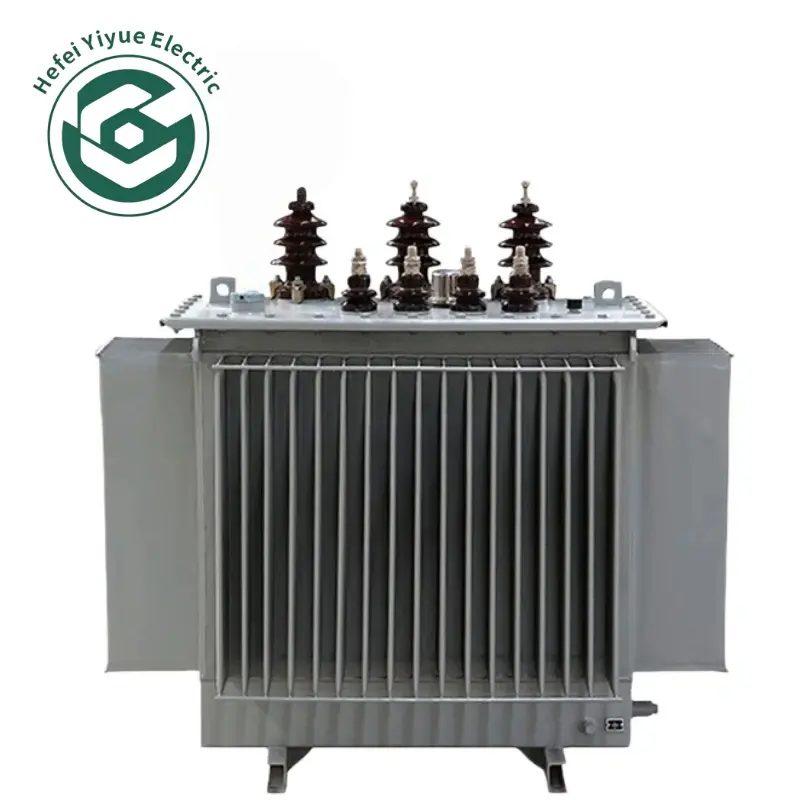
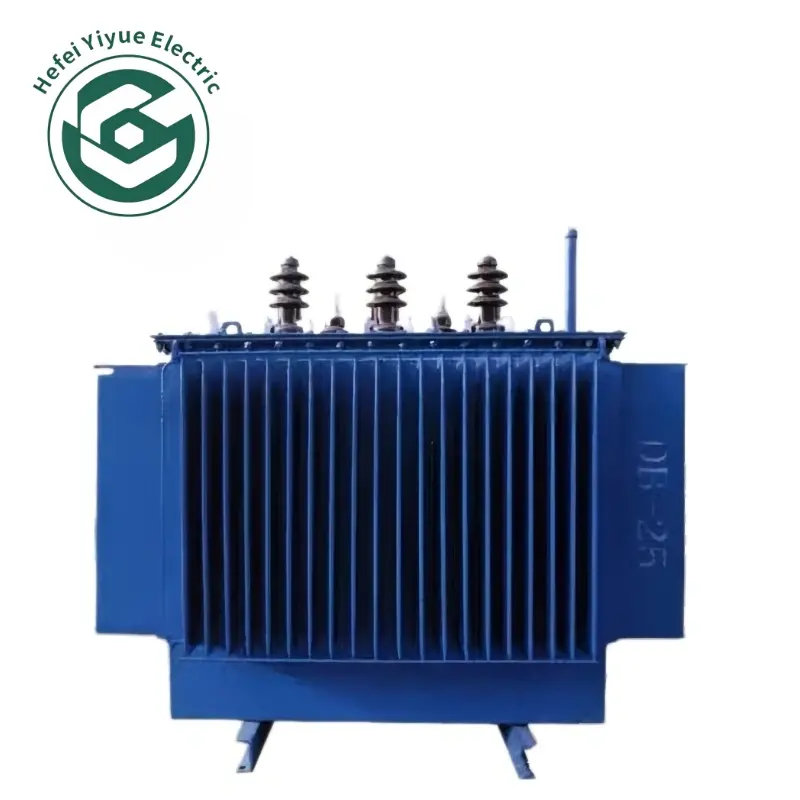
Prefabricated substations are widely used in outdoor power distribution because they combine key electrical equipment in a compact, factory-assembled unit. However, different projects require different capacity levels, equipment arrangements, and protection configurations. A small commercial site or rural distribution point may only need a 50kVA unit, while a larger distribution network may require a 630kVA substation with more extensive connection and protection options.
Hefei Yiyue Electrical Equipment Trading Co., Ltd. supplies transformers, box-type substations, high- and low-voltage switchgear, and other power distribution equipment. With an independent industrial park covering 8,000 square meters, the company serves sectors including electric power, new energy, municipal engineering, rail transit, and industrial manufacturing.
This article compares a 50kVA American box substation with a 630kVA American-type pad-mounted compact substation, focusing on their capacity, structural design, electrical configurations, and typical applications.
1. Rated Capacity and Power Distribution Requirements
The most obvious difference between the two units is their rated capacity. The 50kVA model is designed for relatively small and dispersed loads, whereas the 630kVA model can support larger power distribution requirements.
| Comparison Item | 50kVA American Box Substation | 630kVA American Pad-Mounted Substation |
| Rated capacity | 50kVA | 630kVA |
| Primary voltage | 10kV | 10kV standard |
| Secondary voltage | 0.4kV | 0.4kV standard |
| Frequency | Not specified | 50Hz standard; 60Hz optional |
| Main configuration | Transformer and HV/LV switchgear integrated into one unit | Compact pad-mounted transformer with HV and LV equipment |
| Typical applications | Rural distribution, small shops, charging piles | Larger outdoor distribution networks and urban power supply |
The 50kVA unit has a primary voltage of 10kV and a secondary voltage of 0.4kV. Its compact integrated structure makes it suitable for locations where the power demand is limited and the distribution points are relatively scattered. Examples include small commercial premises, rural areas, and charging pile installations.
The 630kVA model also uses a standard voltage configuration of 10kV/0.4kV, but its higher capacity makes it more suitable for larger loads. Optional primary voltage configurations include 12.47kV, 13.2kV, and 13.8kV, while secondary voltage options include 208V and 480V. These alternatives allow the unit to be configured for different distribution requirements, including certain North American applications.
When selecting between these capacities, the expected load should be the starting point. The number and type of connected electrical devices, peak demand, and potential future load increases all need to be considered.
2. Differences in Structural Design
Although both products are American-style outdoor distribution units, their equipment configurations are not identical.
50kVA American Box Substation
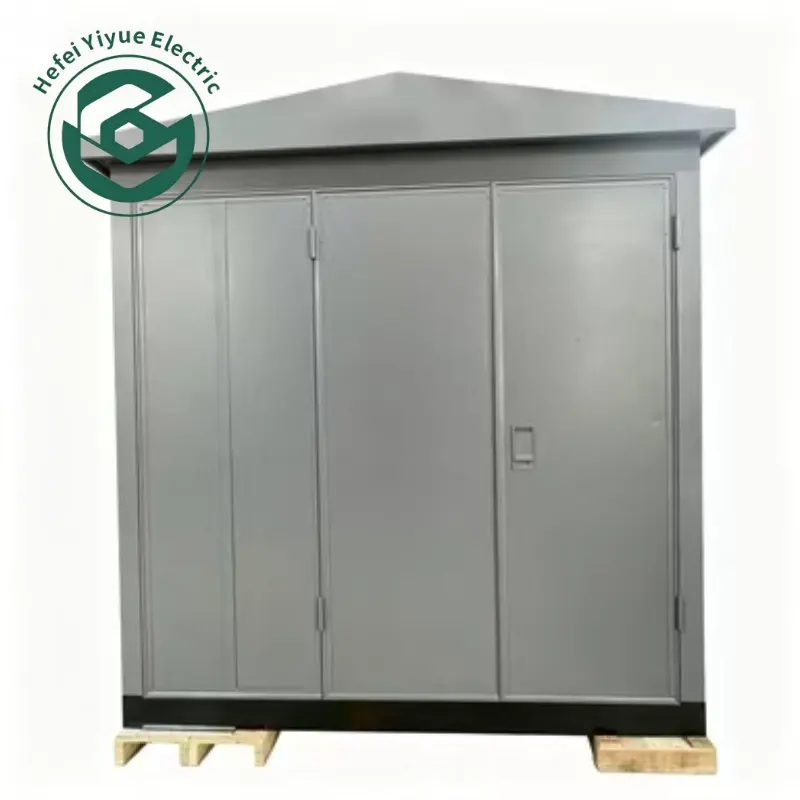
The 50kVA American box substation integrates the transformer with high- and low-voltage switching equipment. Its compact structure is intended to simplify installation and reduce the space required for a small distribution point.
The metal enclosure is designed for outdoor use, with protection against water, dust, and rust. The product description also identifies overload and short-circuit protection, while its design emphasizes low operating noise, heat dissipation, and convenient inspection and maintenance.
This arrangement is practical for projects that need a relatively small, integrated power distribution unit without a large equipment footprint. It can be used in rural distribution systems, small shops, and charging pile installations where the electrical load is within the unit’s rated capacity.
630kVA American Pad-Mounted Substation
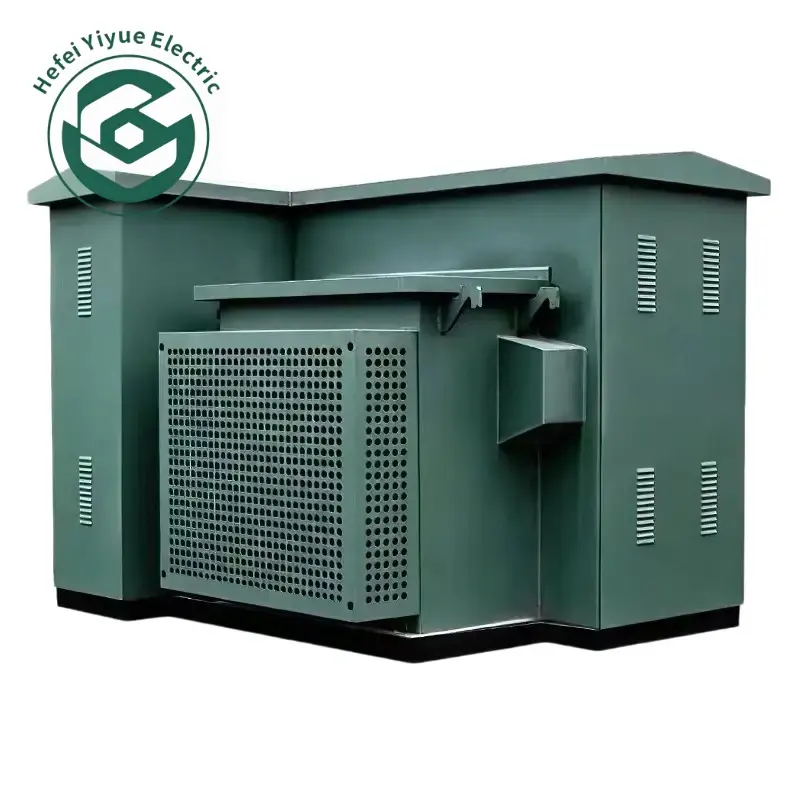
The 630kVA pad mounted substation uses a more detailed equipment configuration. It combines a transformer with high- and low-voltage distribution components in a compact outdoor enclosure.
The transformer adopts an ONAN cooling method, which uses natural oil circulation and natural air cooling. Its standard configuration includes 100% copper windings, with aluminum windings available as an option. A grain-oriented silicon steel core is used, and a low-loss core can be selected as an upgrade.
The oil tank has a fully sealed, fully welded structure. Mineral oil is the standard insulating liquid, while FR3 environmentally friendly insulating oil is available as an option. These configuration choices provide flexibility when the project has specific requirements for transformer materials or insulating oil.
Compared with the simpler 50kVA configuration, the 630kVA model offers more defined options for transformer construction, high-voltage connections, and protective components.
3. High-Voltage Connection and Protection Configurations
The high-voltage connection arrangement is another important difference between these two products.
The 50kVA unit is presented as an integrated distribution solution with overload and short-circuit protection. Its product information does not specify alternative high-voltage feed arrangements or detailed fuse configurations.
The 630kVA model provides more specific choices for the high-voltage side:
- Radial Feed: The standard connection arrangement, suitable for a distribution system supplied through a single incoming high-voltage feed.
- Loop Feed: Available as an option for projects that require a loop connection arrangement.
- Live-front: The standard high-voltage configuration.
- Dead-front: Available as an alternative configuration.
These options should be selected according to the design of the distribution network and the requirements of the installation site. Live-front and dead-front are alternative equipment configurations, not two features that should be assumed to be included simultaneously in every standard unit.
The 630kVA model also uses a more detailed fuse protection arrangement. A bayonet fuse is included as standard, while a backup current-limiting fuse is available as an option. An oil-immersed load switch is also part of the high-voltage configuration.
On the low-voltage side, the rated current is 909A, with MCB or MCCB options. A reactive compensation cabinet can also be selected when required by the project.
These configuration details make the 630kVA unit suitable for projects that need more flexibility in high-voltage network connections and equipment selection.
4. Outdoor Protection and Operating Conditions
Both substations are designed for outdoor installation, but their specified enclosure protection levels differ.
The 50kVA product description identifies a sealed metal enclosure with waterproof, dustproof, and rust-resistant properties. It does not provide a specific IP rating, so its protection level should be confirmed with the supplier when a project requires a defined enclosure classification.
The 630kVA model specifies an IP54 protection rating. Its enclosure is made from coated steel plate and is designed to protect internal components against dust and water splashes. The stated operating temperature range is -20°C to +45°C, with a standard altitude of up to 1,000m without derating. A high-altitude version for installations up to 3,000m is available as an option.
Noise is specified at no more than 58dB measured at a distance of 1m. The unit also has a compact enclosure, with dimensions of 2,300 × 1,500 × 1,850mm and an approximate weight of 3,200kg.
For outdoor projects, enclosure protection is only one part of equipment selection. Ambient temperature, installation altitude, ventilation, site conditions, and maintenance access should also be reviewed before confirming the final configuration.
5. Typical Applications: Which Capacity Fits the Project?
The two models serve different power distribution needs. Their suitability depends on the scale and location of the electrical load rather than capacity alone.
Applications for the 50kVA Unit
The 50kVA model is intended for relatively small and localized distribution requirements. Typical applications include:
- Rural and suburban distribution points
- Small shops and commercial premises
- Charging pile installations
- Dispersed low-capacity electrical loads
Its compact integrated design is useful where installation space is limited and the connected load does not require a larger transformer. For these projects, a smaller-capacity unit can help avoid selecting equipment that is unnecessarily large for the actual demand.
Applications for the 630kVA Unit
The 630kVA model is intended for larger outdoor distribution requirements. Its higher capacity and configurable connection arrangements make it relevant to projects such as:
- Urban and commercial power distribution
- Outdoor distribution networks with higher load requirements
- Projects requiring radial or loop-feed connection options
- Installations that need specific high-voltage and low-voltage equipment configurations
The model’s optional voltage configurations also provide more flexibility when matching the equipment to different network standards. However, the final selection should always be based on the project’s electrical design and local requirements.
6. How to Select Between 50kVA and 630kVA Prefabricated Substations
Choosing the right capacity requires more than comparing the rated kVA values. The following factors can help narrow down the options.
1. Calculate the actual load demand
Estimate the total connected load and consider the expected maximum demand. A 50kVA unit may be suitable for a small distribution point, while a larger installation may require the 630kVA model or another capacity based on its load calculation.
2. Check the supply and distribution voltage
Both products have a standard 10kV primary and 0.4kV secondary configuration. However, the 630kVA model offers additional voltage options. Confirm that the selected unit matches the local distribution network.
3. Review the connection arrangement
For the 630kVA model, determine whether radial-feed or loop-feed connections are required. The choice between live-front and dead-front configurations should also follow the project’s electrical design and operating requirements.
4. Consider the installation environment
Check the available installation space, outdoor exposure, ambient temperature, altitude, and access for inspection. The 630kVA model has a specified IP54 rating and defined operating conditions. For the 50kVA model, confirm the required enclosure protection details with the supplier if a particular IP rating is necessary.
5. Allow for future demand
If the electrical load is expected to increase, consider whether the selected capacity will remain suitable. Equipment should meet current requirements while leaving a reasonable margin for foreseeable changes, without oversizing the system unnecessarily.
7. Conclusion
The 50kVA and 630kVA models are designed for different levels of outdoor power distribution. The 50kVA American box substation offers a compact integrated arrangement for small shops, rural distribution points, and charging pile installations. The 630kVA American pad-mounted substation provides greater capacity, a specified IP54 enclosure, ONAN cooling, and more detailed options for high-voltage connections and protection.
The right choice depends on the project’s load demand, voltage requirements, network configuration, and installation conditions. Comparing these factors before procurement helps ensure that the selected substation matches the actual distribution requirements.
Hefei Yiyue Electrical Equipment Trading Co., Ltd. supplies transformers, box-type substations, switchgear, and related electrical equipment for a range of power distribution applications. Its quality control process covers procurement, testing, warehousing, and distribution. Guided by the core values of Green Development, Integrity in Business, and Giving Back to Society, the company aims to provide dependable equipment and support for different electrical projects.
Frequently Asked Questions
1. What is the main difference between a 50kVA and a 630kVA prefabricated substation?
The main difference is their rated capacity and equipment configuration. The 50kVA model is designed for small, localized loads, while the 630kVA model supports larger distribution requirements and offers more detailed options for high-voltage connections and transformer configurations.
2. What are the standard voltage ratings of these two substations?
Both models have a standard primary voltage of 10kV and a secondary voltage of 0.4kV. The 630kVA model also offers optional primary voltages of 12.47kV, 13.2kV, and 13.8kV, as well as secondary options of 208V and 480V.
3. Does the 630kVA pad-mounted substation support both radial-feed and loop-feed connections?
Yes. Radial Feed is the standard configuration, while Loop Feed is available as an option. The appropriate arrangement depends on the distribution network design.
4. What is the enclosure protection rating of the 630kVA model?
The 630kVA American pad-mounted substation has an IP54 protection rating. The 50kVA product description identifies waterproof, dustproof, and rust-resistant enclosure features but does not specify an IP rating.
5. Can the 630kVA substation be customized?
Yes. The product offers several configuration options, including primary and secondary voltage choices, aluminum windings, FR3 insulating oil, Loop Feed, Dead-front construction, and backup current-limiting fuses. The final configuration should be confirmed according to the project’s technical requirements.