



What Makes High-Capacity Diesel Generators Suitable for Industrial Backup Power?
Release time: 2026-10-28
Table of Contents
Industrial facilities depend on a stable power supply to keep production lines, control systems, and essential equipment running. When the main grid fails, an appropriately sized generator can help maintain critical operations and reduce costly downtime. A high capacity diesel generator is particularly suitable for industrial applications that require substantial power output, dependable operation, and the ability to support demanding electrical loads.
Choosing the right generator involves more than comparing rated power. Load characteristics, operating conditions, fuel consumption, installation requirements, and maintenance arrangements all influence long-term performance. Understanding these factors helps industrial buyers select a generator that matches their backup power requirements.
1. High Power Output for Demanding Industrial Loads
Industrial facilities often operate multiple machines, pumps, compressors, production lines, and auxiliary systems simultaneously. Their electricity demand can be significantly higher than that of commercial buildings, making generator capacity a key consideration.
A high capacity diesel generator can support large electrical loads when its rated output is matched to the facility’s actual demand. For example, the 300 kW diesel generator set may suit medium-sized industrial facilities or selected critical loads, while 2000 kW and 3000 kW configurations can address substantially larger power requirements.
These power ratings represent different capacity options rather than interchangeable solutions. The final selection should account for continuous and standby ratings, starting currents, load fluctuations, and the consequences of losing individual pieces of equipment.
For large factories and infrastructure projects, a properly sized generator can supply essential equipment during grid interruptions without requiring the entire facility to shut down immediately.
2. Reliable Performance for Industrial Backup Applications
Power interruptions can disrupt manufacturing schedules, interrupt automated processes, and affect equipment that requires continuous electrical supply. In sectors such as petrochemicals, data centers, and high-end manufacturing, even a short outage may create significant operational difficulties.
An industrial diesel generator provides an independent source of electrical power when the utility supply becomes unavailable. When integrated with a suitable automatic transfer switch and control system, it can support a planned transition to backup power, subject to the generator’s starting and stabilization time.
Diesel generator sets are also suitable for facilities that need a dedicated standby power source for critical systems. Depending on the site’s electrical design, these may include essential production equipment, emergency lighting, control systems, selected pumps, and other priority loads.
Reliability depends on more than the generator itself. Correct installation, regular testing, appropriate fuel storage, preventive maintenance, and proper load management are all necessary to keep the backup system ready for use.
3. Flexible Configurations for Different Installation Environments
Industrial sites have different space constraints, noise requirements, ventilation conditions, and transportation needs. Generator configuration therefore plays an important role in equipment selection.
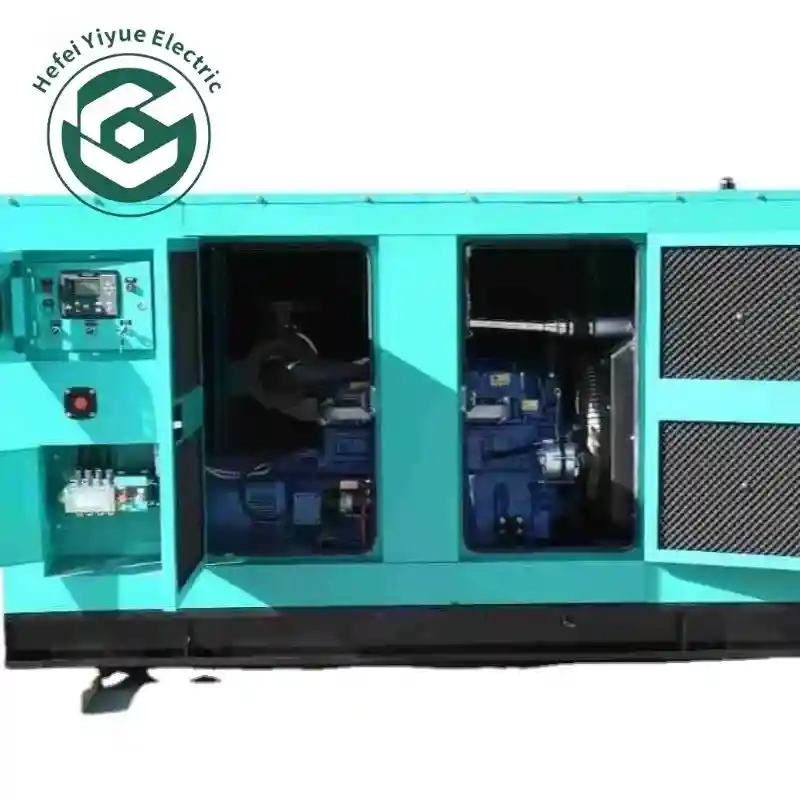
Open-frame diesel generators can be suitable for dedicated generator rooms or outdoor installations with appropriate weather protection and noise-control measures. Their accessible structure can also simplify inspection and routine maintenance.
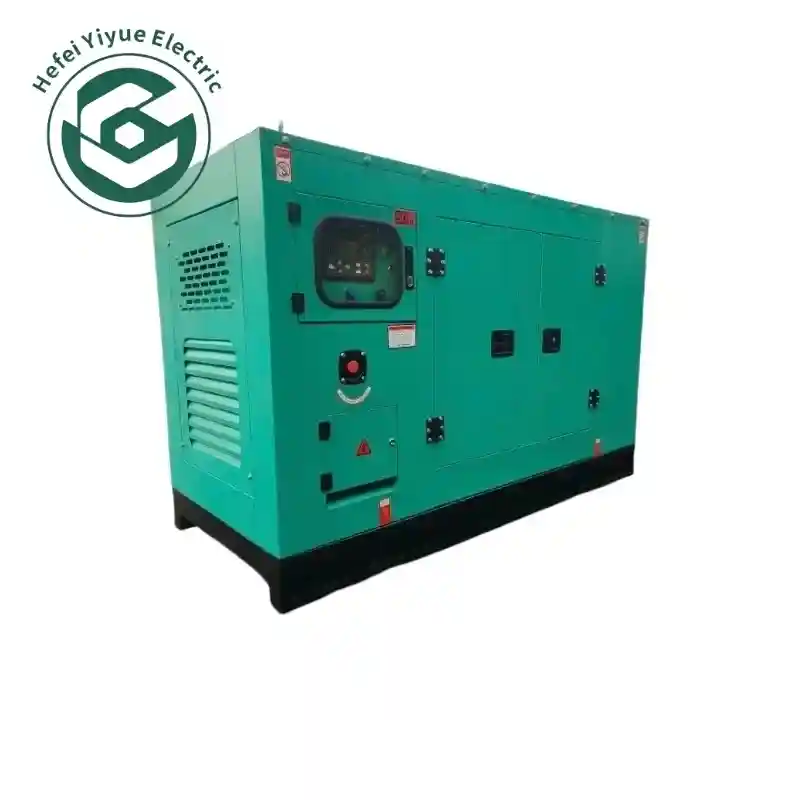
For facilities where sound control is a priority, a silent generator configuration may be more appropriate. Mobile generator sets can provide temporary power for construction sites, maintenance projects, and locations where electrical demand changes over time.
The wider product range includes 10 kW and 30 kW models for smaller power requirements, a 50 kW water-cooled silent generator, and a 100 kW trailer-mounted mobile generator. These options serve different applications from those of the 2000 kW and 3000 kW high-output units.
When evaluating a diesel generator set, buyers should consider the installation environment alongside its rated output. Ventilation, exhaust discharge, access for servicing, noise restrictions, and available space can all affect the suitability of a particular configuration.
4. Fuel Efficiency and Operating Cost Considerations
Fuel consumption is a major factor in the operating cost of an industrial backup power system. Although diesel generators are commonly selected for demanding power applications, actual efficiency varies according to engine design, generator loading, maintenance condition, and operating duration.
A generator that is substantially oversized for its normal load may operate inefficiently during extended periods of light loading. Conversely, insufficient capacity can lead to overloads when several large motors or production systems start simultaneously.
Before purchasing a diesel generator for backup power, industrial buyers should estimate the demand of essential equipment and determine which loads must operate together. Reviewing fuel consumption data at different load levels can then help compare operating costs across suitable models.
Maintenance also affects long-term efficiency. Regular oil and filter changes, cooling-system inspections, fuel-system servicing, and scheduled test runs help maintain operating condition and reduce the likelihood of unexpected faults.
For facilities with frequent outages or extended generator operation, these considerations are especially important because fuel and maintenance expenses can accumulate over time.
5. Matching Generator Capacity to the Application
Different industries have different backup power priorities. A generator should be selected according to the equipment that must remain operational, the expected duration of an outage, and the site’s electrical infrastructure.
| Application | Key power considerations |
| Manufacturing plants | Production equipment, motor starting, and process continuity |
| Data centers | Critical IT loads, cooling systems, and reliable transfer arrangements |
| Petrochemical facilities | Essential pumps, control systems, and site-specific safety requirements |
| Municipal engineering | Water supply, drainage, and other essential public services |
| Construction projects | Temporary loads, mobility, and changing site requirements |
| Rail transit | Essential station systems and designated infrastructure loads |
These applications do not necessarily require the same generator capacity. Some facilities may need a single unit to support selected critical equipment, while larger sites may require multiple generators operating in parallel. Parallel operation requires compatible generator controls, synchronization equipment, and an appropriately engineered distribution system.
The selection process should also distinguish between prime and standby applications. Standby generators are intended for emergency operation during utility outages, whereas prime-rated equipment is designed for a different duty profile. Buyers should confirm the manufacturer’s ratings and operating limitations before finalizing a configuration.
6. Quality Control and Long-Term Equipment Reliability
The reliability of a backup power system depends on both the equipment selected and the quality of its supply, installation, and maintenance arrangements. Specifications, component quality, documentation, and compliance with applicable standards should therefore be reviewed before purchase.
Hefei Yiyue Electrical Equipment Trading Co., Ltd. supplies electrical equipment for sectors including electric power, new energy, rail transit, petrochemicals, municipal engineering, data centers, and high-end manufacturing. Its independent industrial park covers 8,000 square meters, and its product portfolio includes generator sets, transformers, box-type substations, switchgear, and power distribution equipment.
The company emphasizes product entry standards, cooperation with established global brands, and quality control throughout procurement, testing, warehousing, and distribution. These measures are intended to support product reliability, safety, and energy efficiency while helping buyers identify equipment that meets applicable national standards and recognized certification requirements.
When purchasing a generator, industrial users should also verify the specific model’s technical documentation, rated output, warranty terms, spare-parts availability, and after-sales support. For high-capacity units, these details are particularly important because maintenance work and equipment downtime can have substantial operational consequences.
7. What Should Buyers Confirm Before Purchasing?
Before selecting a high-capacity generator, buyers should establish several technical and operational requirements.
- Required power output: Calculate the total demand of essential loads, including motor-starting requirements and expected load changes.
- Generator rating: Confirm whether the application requires standby or prime-rated equipment and review the manufacturer’s stated limits.
- Configuration: Compare open-frame, silent, and mobile designs according to the installation site and operating environment.
- Fuel and maintenance: Review fuel consumption at relevant load levels, service intervals, and the availability of replacement parts.
- Electrical integration: Check compatibility with the facility’s voltage, frequency, distribution equipment, protection systems, and transfer arrangements.
- Supplier support: Verify documentation, delivery arrangements, warranty coverage, commissioning support, and maintenance services.
These checks help prevent common selection problems, including insufficient starting capacity, unsuitable installation conditions, and unnecessarily high operating costs. They also provide a clearer basis for comparing different generator models and suppliers.
Conclusion
High-capacity diesel generators are suitable for industrial backup power because they can support substantial electrical loads, provide an independent source of electricity during grid interruptions, and accommodate different installation and operating requirements. Their effectiveness, however, depends on accurate capacity planning, suitable configuration, proper installation, and consistent maintenance.
From 300 kW units to 2000 kW and 3000 kW configurations, the appropriate solution depends on the facility’s critical loads and expected operating conditions rather than rated power alone. A carefully selected diesel generator set can help industrial users protect essential operations, reduce disruption, and maintain greater control over their backup power arrangements.
With its broader portfolio of electrical equipment and emphasis on quality control, Hefei Yiyue Electrical Equipment Trading Co., Ltd. serves industrial and infrastructure sectors seeking dependable power equipment. Evaluating the generator’s technical specifications alongside the supplier’s documentation and support capabilities is an important step toward establishing a reliable industrial backup power system.
Frequently Asked Questions
1. What is considered a high-capacity diesel generator?
A high-capacity diesel generator is designed to supply substantial electrical loads for large industrial facilities, infrastructure projects, and other demanding applications. Models such as 2000 kW and 3000 kW generators may be suitable for large power requirements, depending on the site’s actual load and operating conditions.
2. How do I choose the right industrial diesel generator?
Start by calculating the total power demand of essential equipment, including motor-starting currents and potential load fluctuations. Then consider the required standby or prime rating, installation environment, fuel consumption, and maintenance requirements before selecting a suitable model.
3. Can a diesel generator set automatically provide backup power during a power outage?
Yes. When integrated with a compatible automatic transfer switch and control system, a diesel generator set can start automatically and supply designated loads after a power failure. The actual transfer time depends on the equipment configuration and system design.
4. What is the difference between an open-frame and a silent diesel generator?
An open-frame diesel generator has an accessible structure that can simplify inspection and maintenance, making it suitable for installations where noise control is less restrictive. A silent diesel generator incorporates noise-reduction features and may be more appropriate for sites with stricter noise requirements.
5. How can industrial users maintain the reliability of a diesel generator for backup power?
Regular maintenance should include checking engine oil, filters, coolant, fuel systems, batteries, and electrical connections. Scheduled test runs and load testing, where appropriate, also help verify that the generator is ready to operate when the main power supply fails.