



How Do Oil Immersed Power Transformers Improve Energy Efficiency and Operational Reliability?
Release time: 2026-10-08
Table of Contents
An oil immersed power transformer is widely used in power distribution networks, industrial facilities, commercial buildings, and outdoor substations. Its energy efficiency and operational reliability depend on core materials, winding quality, cooling performance, and insulation protection. Selecting a suitable transformer helps control energy losses, manage operating temperatures, and maintain a stable electricity supply over long operating periods.
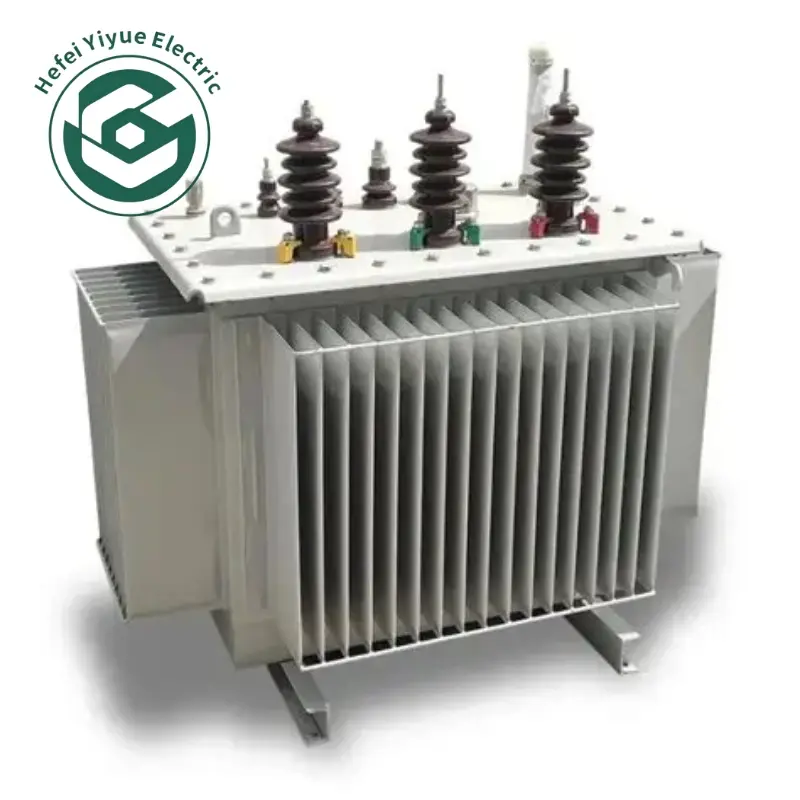
Hefei Yiyue Electrical Equipment Trading Co., Ltd. supplies transformers and other electrical equipment for domestic and international markets. Its product range includes oil-immersed transformers designed for different voltage levels, rated capacities, and power distribution requirements. For buyers planning a new installation or replacing existing equipment, confirming the technical specifications of the selected model is an important step toward reliable operation.
1. How Core Design Helps Reduce Energy Losses
The transformer core plays an important role in energy efficiency. High-quality grain-oriented cold-rolled silicon steel helps guide magnetic flux through the core and reduce no-load losses. These losses occur whenever a transformer is energized, even when its connected load is low.
For equipment operating over extended periods, reducing no-load losses can help limit cumulative electricity consumption. Core lamination and assembly quality also influence vibration and operating noise. Careful material selection and manufacturing therefore support both energy efficiency and stable operation.
Winding losses must also be considered. Core losses primarily affect no-load performance, while winding resistance contributes to load losses. Evaluating both factors provides a more complete understanding of a transformer’s operating efficiency.
2. Why a Hermetically Sealed Tank Matters
A hermetically sealed oil immersed transformer uses a sealed tank to limit the insulating oil’s exposure to surrounding air and moisture. This helps slow oil deterioration and insulation aging, supporting long-term operating reliability.
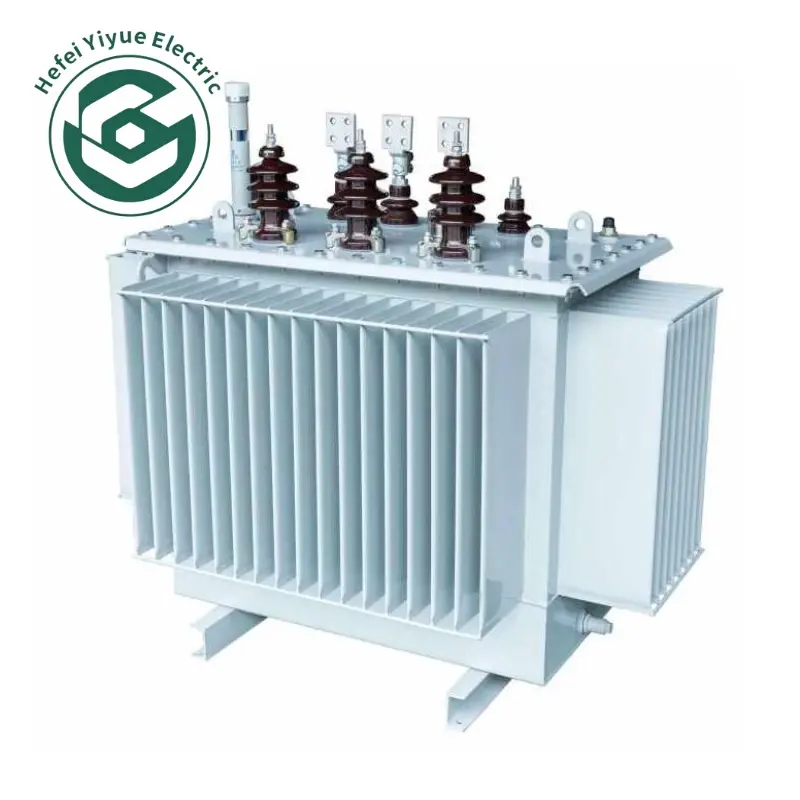
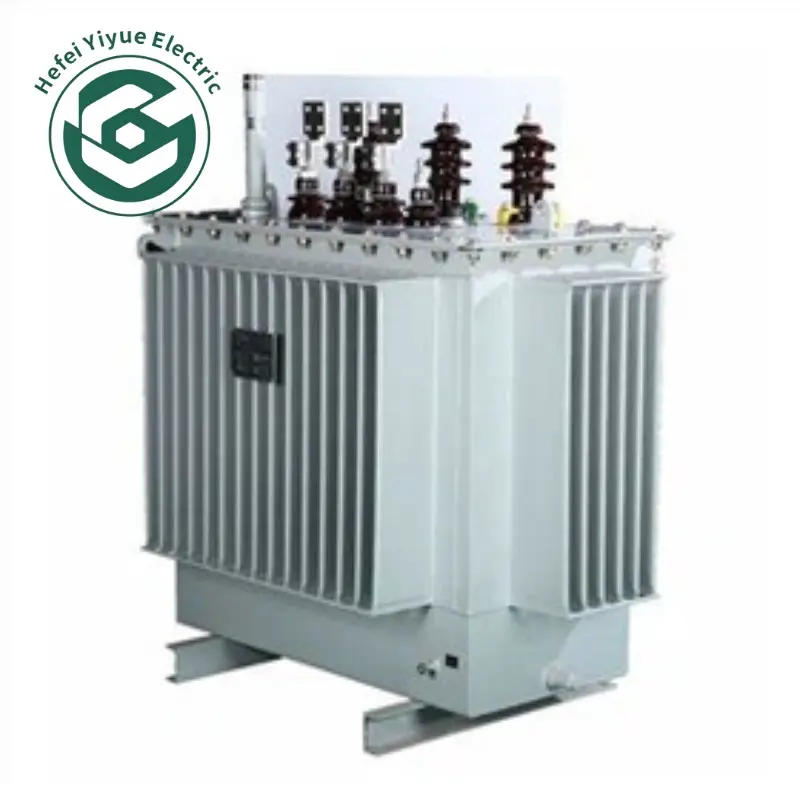
The featured product uses a fully sealed corrugated tank. Its structure accommodates changes in oil volume as temperatures fluctuate and helps protect the internal insulation system from environmental moisture and dust. Under normal operating conditions, this design can reduce routine maintenance requirements.
The sealed construction is particularly useful for outdoor substations, industrial facilities, and distribution installations exposed to changing weather conditions. However, a sealed tank does not eliminate the need for periodic inspections. Maintenance intervals should follow the manufacturer’s recommendations and the actual operating environment.
3. How Copper Windings Support Reliable Performance
Winding material affects electrical resistance, heat generation, and load-loss performance. A copper winding oil immersed transformer uses copper conductors with good electrical conductivity to help control resistive losses during operation.
The featured product identifies copper windings as a key design feature. When supplying industrial equipment or distribution networks, the windings must carry the required current while keeping temperature rise within acceptable limits.
Copper windings, combined with suitable insulation and mechanical support, also contribute to reliable operation under electrical and thermal stress. However, allowable loading and short-circuit withstand performance depend on the selected model and its rated design. Buyers should confirm these capabilities against the technical documentation for their intended application.
4. How ONAN Cooling Manages Operating Temperature
Heat is generated in the transformer core and windings during operation. If it cannot dissipate effectively, excessive temperatures may accelerate insulation aging and affect service life.
The specified 250kVA S11-M-250 configuration uses ONAN cooling, which stands for Oil Natural Air Natural. Heat transfers from the internal components to the insulating oil, circulates naturally, and dissipates through the tank and corrugated surfaces into the surrounding air. This arrangement does not rely on forced-cooling fans, helping keep the cooling system relatively simple.
For continuous power distribution, transformer capacity must be matched to the expected load and installation conditions. Ambient temperature, ventilation, load variation, and installation clearance should all be considered when evaluating thermal performance.
5. Product Specifications: Hermetically Sealed Oil-Immersed Transformer
The hermetically sealed oil-immersed transformer series offers rated capacities from 50 to 2500kVA and voltage options for different power distribution requirements. The following table presents the main technical specifications of the 250kVA S11-M-250 model as a reference for buyers evaluating this configuration.
| Parameter | 250kVA S11-M-250 |
| Model | S11-M-250 |
| Rated capacity | 250kVA |
| Phase | Three-phase |
| Cooling method | ONAN (Oil Natural Air Natural) |
| High-voltage rating | 6/10/11kV options listed in the supplied specifications |
| Low-voltage rating | 0.4kV, customizable |
| Frequency | 50/60Hz |
| Vector group | Dyn11 or Yyn0, optional |
| Impedance voltage | 4% / 4.5% |
| Insulation class | Class B |
| Ambient temperature | -25°C to +40°C |
| Enclosure protection | IP54, as specified for this configuration |
| Core material | Grain-oriented cold-rolled silicon steel |
| Winding material | Copper |
| Tank structure | Fully sealed corrugated tank |
| Protection components | Gas relay, pressure relief valve, temperature monitoring, and oil-level monitoring devices, subject to the confirmed configuration |
| Standards listed | IEC 60076, ISO 9001, CE, and GB/T; applicable product compliance should be confirmed for the order |
| Altitude | Up to 1,000m, according to the supplied specifications |
The specifications above describe the S11-M-250 configuration. For projects requiring other capacities or voltage levels, buyers should confirm the corresponding model specifications, available options, and protection configuration before ordering.
6. Protection Features for Outdoor Applications
Outdoor transformers must withstand electrical stresses as well as environmental exposure. Insulation design, tank construction, monitoring devices, and suitable system protection all contribute to operational reliability.
For the S11-M-250 configuration listed above, the product information specifies a gas relay, pressure relief valve, temperature monitoring, and oil-level monitoring. These components help operators identify abnormal operating conditions and provide relevant warning or protection functions according to their design.
The specified IP54 enclosure and ambient temperature range of -25°C to +40°C are also relevant when assessing suitability for an installation site. Buyers should verify these conditions against the actual climate, altitude, load profile, and installation requirements.
Transformer protection must also be coordinated with the wider electrical system. Proper grounding, suitable overcurrent protection, lightning protection, and compliant installation practices remain essential. The final protection arrangement should be confirmed with the supplier and project engineer.
7. Matching Transformer Specifications to Project Requirements
Selecting an oil-immersed transformer involves more than comparing purchase prices or rated capacities. The selected model must match the electrical network, load requirements, and installation environment.
Before ordering, buyers should confirm:
- Rated capacity: Match the transformer rating to the expected load and foreseeable demand changes.
- Input and output voltage: Confirm both voltage ratings and the required tap-changing arrangement, if applicable.
- Cooling method: Verify that the cooling design suits the intended load and installation conditions.
- Winding and insulation: Check the specified winding material, insulation class, and applicable electrical requirements.
- Protection configuration: Confirm which monitoring and pressure-relief devices are included in the selected model.
- Environmental conditions: Check ambient temperature, altitude, outdoor exposure, and available installation space.
- Applicable standards: Confirm the standards and certification documents relevant to the destination market and project.
- Maintenance requirements: Request the manufacturer’s inspection and maintenance recommendations for the selected configuration.
The product series supports customization, but the availability of each voltage, capacity, and optional feature should be confirmed before the final technical specification is agreed upon.
8. Improving Long-Term Operating Value
The long-term value of a transformer depends on more than its initial purchase cost. Energy losses, maintenance requirements, installation conditions, and operating reliability all influence total ownership costs.
A suitable combination of a low-loss silicon steel core, copper windings, natural oil cooling, and a hermetically sealed tank can support efficient and dependable power distribution. Actual energy performance and service life, however, depend on the specific design, operating load, environment, and maintenance practices.
For industrial plants, commercial buildings, residential distribution networks, and outdoor substations, selecting a transformer that matches the project’s electrical requirements helps reduce avoidable operating issues and supports a stable power supply.
Hefei Yiyue Electrical Equipment Trading Co., Ltd. provides transformer options for a range of power distribution applications. Buyers can submit their required capacity, voltage levels, installation conditions, and applicable standards to confirm a suitable configuration. Checking the technical details of the exact model before ordering helps ensure that the supplied equipment meets project requirements.
Frequently Asked Questions
1. How does an oil immersed power transformer improve energy efficiency?
Efficiency depends on core losses, winding resistance, operating load, and overall design. A suitable silicon steel core can help reduce no-load losses, while copper windings help control resistive losses under load.
2. What is the advantage of a hermetically sealed oil immersed transformer?
Its sealed tank limits the insulating oil’s exposure to air and moisture, helping slow oil deterioration and insulation aging. The corrugated tank also accommodates temperature-related changes in oil volume.
3. Why are copper windings used in oil immersed transformers?
Copper has good electrical conductivity, which helps control winding resistance and load losses. Appropriate winding design and insulation also contribute to thermal management and operational reliability.
4. What does ONAN cooling mean?
ONAN stands for Oil Natural Air Natural. The insulating oil circulates naturally inside the transformer, while heat dissipates from the tank into the surrounding air without forced-cooling fans.
5. Do all transformers in the 50–2500kVA range have the same specifications?
No. Voltage ratings, insulation class, protection components, and other technical details may vary by model and configuration. Buyers should confirm the specification sheet for the required capacity and voltage before ordering.