



What Is a Power Transformer and Where Is It Used?
Release time: 2026-08-10
Table of Contents
A power transformer is an essential electrical device used to transfer electrical energy between circuits while changing voltage levels. It plays a critical role in modern power transmission and distribution systems by increasing or reducing voltage to improve efficiency, safety, and reliability.
From power generation plants and substations to industrial facilities and commercial buildings, power transformers are widely used wherever electricity needs to be transmitted or distributed at an appropriate voltage.
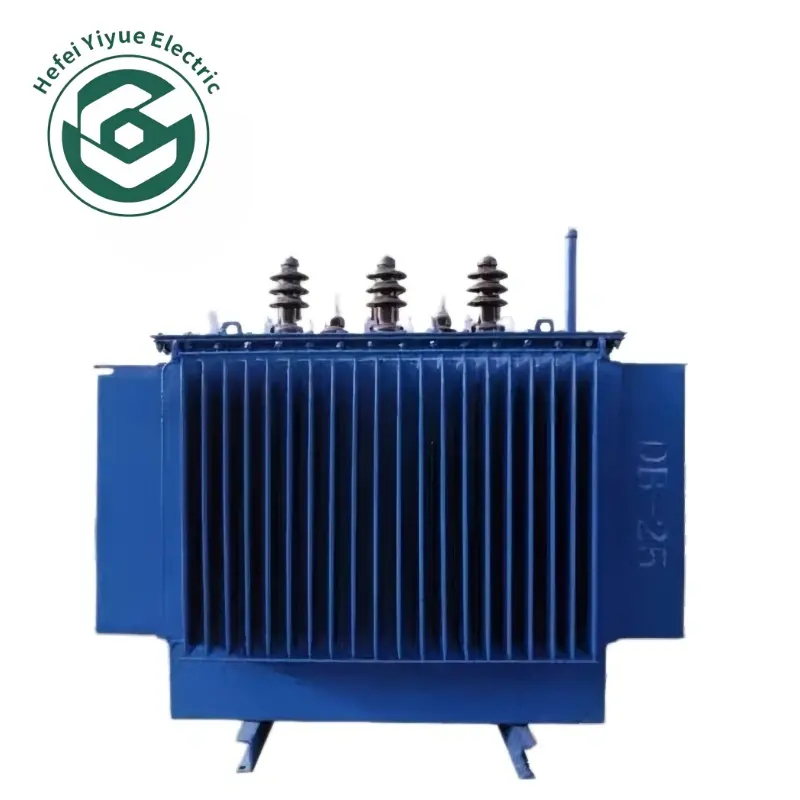
What Is a Power Transformer?
A power transformer is a static electrical device that uses electromagnetic induction to transfer electrical energy from one circuit to another. Unlike rotating electrical equipment, it has no moving mechanical parts and is designed to operate continuously with high reliability.
The main function of a power transformer is to change the voltage level of alternating current (AC) while maintaining the same frequency.
For example, electricity generated at a power plant may need to be stepped up to a high voltage for long-distance transmission. Before electricity reaches factories, commercial buildings, or residential areas, the voltage is gradually reduced through substations and distribution equipment.
How Does a Power Transformer Work?
A typical transformer consists of a magnetic core, primary winding, secondary winding, insulation system, and other supporting components.
When alternating current flows through the primary winding, it creates a changing magnetic field in the core. This magnetic field induces a voltage in the secondary winding. The voltage relationship depends primarily on the ratio between the primary and secondary turns.
Depending on the transformer design, the voltage can be:
- Stepped up for high-voltage power transmission
- Stepped down for power distribution and industrial applications
- Maintained at a similar level for specific electrical system requirements
This voltage conversion makes transformers fundamental to efficient electricity transmission.
Where Are Power Transformers Used?
Power transformers are used across a wide range of electrical infrastructure and industrial applications.
1. Power Generation Plants
Power plants generate electricity at a voltage that is generally not suitable for long-distance transmission. A step-up power transformer increases the voltage before electricity enters the transmission network.
Higher transmission voltage helps reduce current and minimize power losses over long distances.
2. Electrical Substations
Substations are one of the most important application areas for power transformers.
A substation may use transformers to step voltage up or down between different stages of the power grid. For example, high-voltage transmission electricity can be reduced to a lower voltage suitable for regional distribution networks.
Power transformers used in substations must provide reliable operation under varying loads and environmental conditions.
3. Industrial Facilities
Large industrial facilities often require substantial amounts of electrical power for motors, production equipment, automation systems, and other machinery.
Power transformers can provide the appropriate voltage for industrial electrical systems while helping improve the overall reliability of power distribution.
Common applications include:
- Manufacturing plants
- Steel mills
- Chemical plants
- Mining operations
- Automotive factories
- Machinery manufacturing facilities
4. Commercial Buildings
Large commercial buildings also require reliable power distribution systems.
Shopping centers, office buildings, hotels, data centers, and large public facilities may use transformers to reduce incoming voltage to levels suitable for internal electrical equipment and distribution systems.
The transformer capacity and voltage rating should be selected according to the building’s electrical load and future expansion requirements.
5. Renewable Energy Projects
The growth of renewable energy has created additional demand for transformers.
Solar power plants and wind farms generate electricity that needs to be integrated into the electrical grid. Transformers are used to increase or reduce voltage between renewable energy generation equipment, collection systems, substations, and transmission networks.
Reliable transformers are therefore an important part of modern renewable energy infrastructure.
Power Transformer vs. Distribution Transformer
Although power transformers and distribution transformers both change voltage levels, they are typically designed for different parts of the electrical network.
| Feature | Power Transformer | Distribution Transformer |
|---|---|---|
| Main application | Transmission and substations | Local power distribution |
| Typical location | Power plants and substations | Near end users |
| Capacity | Generally higher | Generally lower |
| Primary purpose | Efficient power transmission and grid voltage conversion | Supplying usable voltage to consumers |
| Operating conditions | Often designed for high-load operation | Commonly designed for varying daily loads |
The exact voltage and capacity ranges vary according to regional standards and project requirements, so transformer selection should always be based on the actual electrical system.
Common Types of Power Transformers
Power transformers can be classified according to their insulation, cooling method, installation environment, and application.
Oil-Immersed Power Transformers
Oil-immersed transformers use insulating oil for electrical insulation and heat dissipation. They are widely used in power transmission, substations, industrial facilities, and other high-capacity applications.
Their advantages can include high capacity, effective cooling, and suitability for demanding operating conditions.
Dry-Type Transformers
Dry-type transformers use solid insulation rather than liquid insulating oil. They are often selected for indoor installations, commercial buildings, industrial facilities, and locations where fire safety and environmental considerations are important.
The appropriate transformer type depends on factors such as installation location, capacity, voltage level, cooling requirements, and operating environment.
What Should You Consider When Choosing a Power Transformer?
Selecting the right power transformer requires more than simply comparing rated capacity. Several technical parameters should be evaluated.
Rated Power
Transformer capacity should match the expected electrical load while allowing an appropriate margin for future expansion.
Primary and Secondary Voltage
The input and output voltage must match the requirements of the electrical system. Incorrect voltage selection can affect equipment performance and system safety.
Frequency
The transformer must be compatible with the frequency of the electrical network, such as 50 Hz or 60 Hz.
Cooling Method
Cooling requirements depend on transformer capacity, installation conditions, and operating load. Common cooling methods include natural and forced cooling systems.
Insulation and Protection
Insulation performance is particularly important for high-voltage transformers. The transformer should be designed with an appropriate insulation system and protection configuration for the operating environment.
Installation Environment
Indoor and outdoor installations may require different enclosure designs, cooling arrangements, protection levels, and maintenance considerations.
Why Are Power Transformers Important?
Power transformers make large-scale electricity transmission and distribution more practical and efficient.
Without voltage transformation, transmitting electricity over long distances would result in significantly higher losses and greater infrastructure requirements. By stepping voltage up for transmission and reducing it before distribution, transformers help electrical systems deliver power more efficiently.
They also allow different sections of the power grid to operate at appropriate voltage levels, supporting the stable operation of industrial, commercial, and residential electrical equipment.
How to Choose a Reliable Power Transformer Manufacturer?
Selecting the right power transformer manufacturer is an important consideration for electrical contractors, distributors, EPC companies, utilities, and industrial buyers.
A reliable manufacturer should be able to provide transformer solutions based on specific project requirements rather than offering only standard configurations.
Important factors to evaluate include:
- Manufacturing experience
- Transformer capacity and voltage range
- Quality control and routine testing
- Applicable product standards and certifications
- Custom design capabilities
- Technical documentation
- Delivery capability
- After-sales technical support
For international projects, buyers should also confirm whether the manufacturer can provide transformer specifications and configurations that meet the electrical standards and operating conditions of the target market.
Why Choose Yiyue Electric for Power Transformer Solutions?
Yiyue Electric provides power equipment solutions for power transmission, distribution, industrial applications, and other electrical infrastructure projects.
Our power transformers can be selected according to project requirements such as rated capacity, voltage level, installation environment, and application scenario. Different transformer solutions are available for customers with different electrical system requirements.
Whether you are planning a substation, upgrading an industrial power distribution system, or developing a renewable energy project, selecting the appropriate transformer is an important step toward achieving reliable long-term operation.
Conclusion
A power transformer is a fundamental component of modern power transmission and distribution systems. By stepping voltage up or down, it helps electricity travel efficiently over long distances and provides suitable voltage levels for industrial, commercial, and infrastructure applications.
Power transformers are widely used in power generation plants, substations, industrial facilities, commercial buildings, and renewable energy projects. Choosing the right transformer requires careful consideration of capacity, voltage, frequency, cooling, insulation, installation conditions, and applicable standards.
For businesses looking for a reliable power transformer manufacturer or supplier, working with an experienced supplier can help ensure that the transformer solution matches the project’s technical requirements and long-term operating needs.