



What Are Generator Sets and How Do They Work?
Release time: 2026-09-11
Generator sets, also known as gensets, are complete power generation systems designed to provide electricity when grid power is unavailable, unstable, or insufficient. They are widely used in industrial facilities, commercial buildings, construction sites, agricultural operations, and remote areas.
But what is a generator set, and how does a generator set work? Understanding the basic structure and operating principle can help businesses choose the right power solution for their applications.
Table of Contents
What Is a Generator Set?
A generator set is an integrated power generation system that combines an engine, an alternator, and supporting systems to produce electrical power.
The engine converts fuel into mechanical energy, while the alternator converts that mechanical energy into electricity. A complete generator set may also include a fuel system, cooling system, exhaust system, control panel, and starting system.
Generator sets are available in different configurations. Diesel generator sets and gasoline generator sets are two common options for different power requirements and applications.
How Does a Generator Set Work?
The basic working principle of a generator set is simple:
Fuel → Engine → Mechanical Energy → Alternator → Electrical Energy
First, the engine burns fuel to produce mechanical energy. The engine’s rotating shaft drives the alternator, where electromagnetic induction converts mechanical energy into electrical energy.
The electrical output is then regulated and supplied to connected equipment.
In simple terms, the engine provides mechanical power, while the alternator converts that power into electricity. This basic energy conversion process is used across different types of generator sets.
What Are the Main Components of a Generator Set?
A complete generator set consists of several important components that work together.
Engine: Provides the mechanical power needed to drive the alternator.
Alternator: Converts mechanical energy into electrical energy.
Fuel System: Stores and supplies fuel to the engine.
Cooling System: Helps control engine temperature during operation.
Control Panel: Monitors operating parameters and allows operators to control the generator set.
Starting System: Starts the engine, commonly using a battery-powered electric starter.
These components work together to provide stable and reliable power.
Generator Set vs. Generator: What Is the Difference?
The terms generator and generator set are often used interchangeably, but they can refer to different things technically.
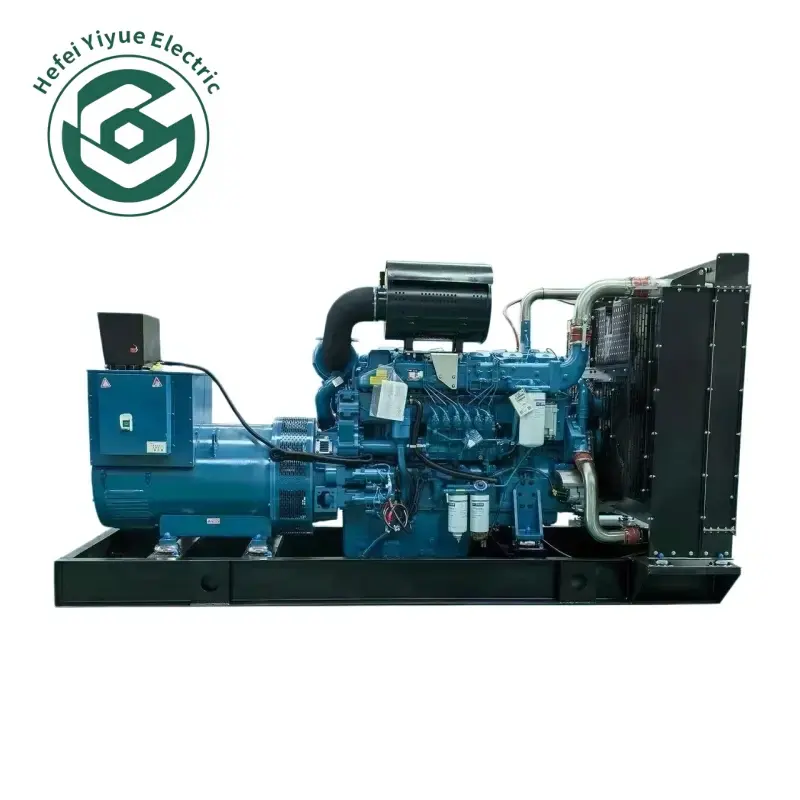
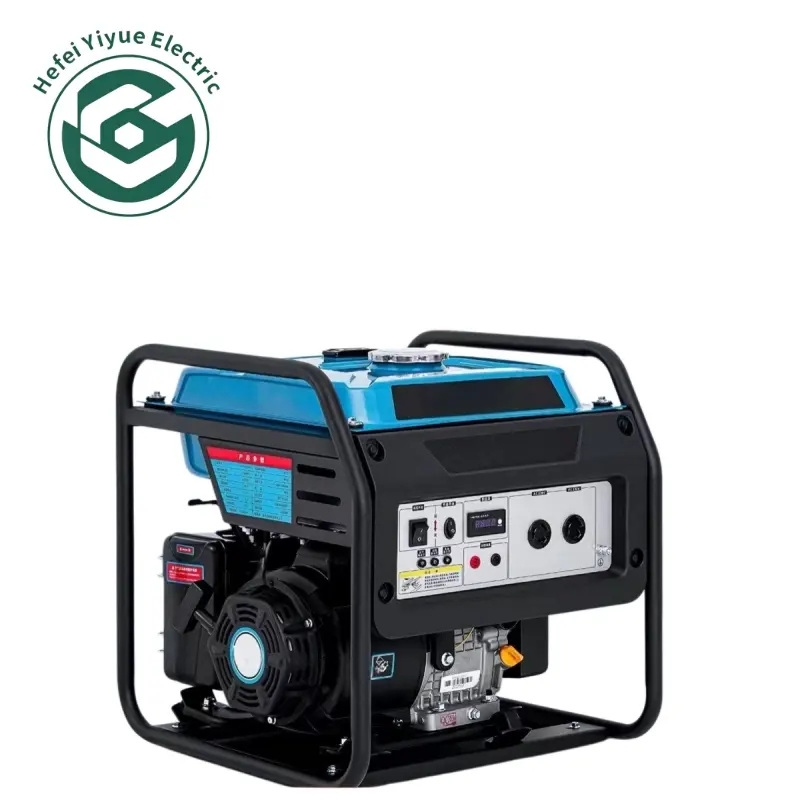
A generator or alternator is the component that converts mechanical energy into electrical energy. A generator set (genset) is the complete system, including the engine, alternator, fuel system, control system, and other supporting components.
For buyers, this distinction is important because a generator set provides a complete power generation solution rather than just the electrical generation component.
Diesel Generator Set vs. Gasoline Generator Set
The choice of fuel type depends on the required power output, operating time, and application.
Diesel Generator Sets
Diesel generator sets are commonly used for industrial, commercial, construction, agricultural, and backup power applications. They are suitable for projects that require reliable operation and longer running hours.
Gasoline Generator Sets
Gasoline generator sets are often used for smaller or occasional power requirements, including temporary power, outdoor operations, small businesses, and residential backup applications.
When choosing between diesel and gasoline, businesses should consider power requirements, operating hours, fuel availability, and the intended application.
Where Are Generator Sets Used?
Generator sets can provide either standby power or prime power, depending on the application.
Common generator set applications include:
- Industrial and manufacturing facilities
- Commercial buildings
- Construction sites
- Farms and agricultural facilities
- Remote and off-grid locations
- Backup power systems
For example, a standby generator set can provide electricity during a grid outage, while a prime power generator can serve as the main power source in locations where grid electricity is unavailable or unreliable.
How to Choose the Right Generator Set?
When selecting a generator set, businesses should consider more than the rated power. Key factors include:
- Required power output
- Starting and running loads
- Diesel or gasoline fuel type
- Operating hours
- Standby or prime power requirements
- Installation environment
- Fuel consumption
- Maintenance requirements
Choosing a generator set based on actual load requirements and operating conditions can help ensure reliable power while controlling long-term operating costs.
Reliable Generator Set Solutions
Understanding what generator sets are and how they work is an important first step when selecting power equipment.
Whether you need a diesel generator set for industrial and commercial applications or a gasoline generator set for smaller and temporary power requirements, the right solution should match your actual power demand, operating environment, and usage conditions.
Yiyue Electric provides Diesel Generator Sets and Gasoline Generator Sets for different power requirements, helping customers select suitable power equipment for their specific applications.