



Oil Immersed vs Dry Type Power Transformer: Which One Should You Choose?
Release time: 2026-08-05
Table of Contents
Power transformers play a critical role in modern electrical systems by transferring electrical energy between different voltage levels and ensuring reliable power distribution. From industrial facilities and commercial buildings to renewable energy projects and utility networks, choosing the right transformer is essential for improving efficiency, safety, and long-term operational performance.
When selecting a power transformer, one of the most common decisions engineers and project managers face is choosing between an oil immersed transformer and a dry type transformer.
Both transformer types have their own advantages and are designed for different operating environments. This article will compare oil immersed vs dry type power transformers in terms of design, performance, applications, maintenance, safety, and cost to help you choose the best solution for your project.
What Is an Oil Immersed Transformer?
An oil immersed transformer uses insulating oil as both an electrical insulation medium and a cooling medium. The transformer core and windings are placed inside a tank filled with transformer oil, which helps dissipate heat generated during operation.
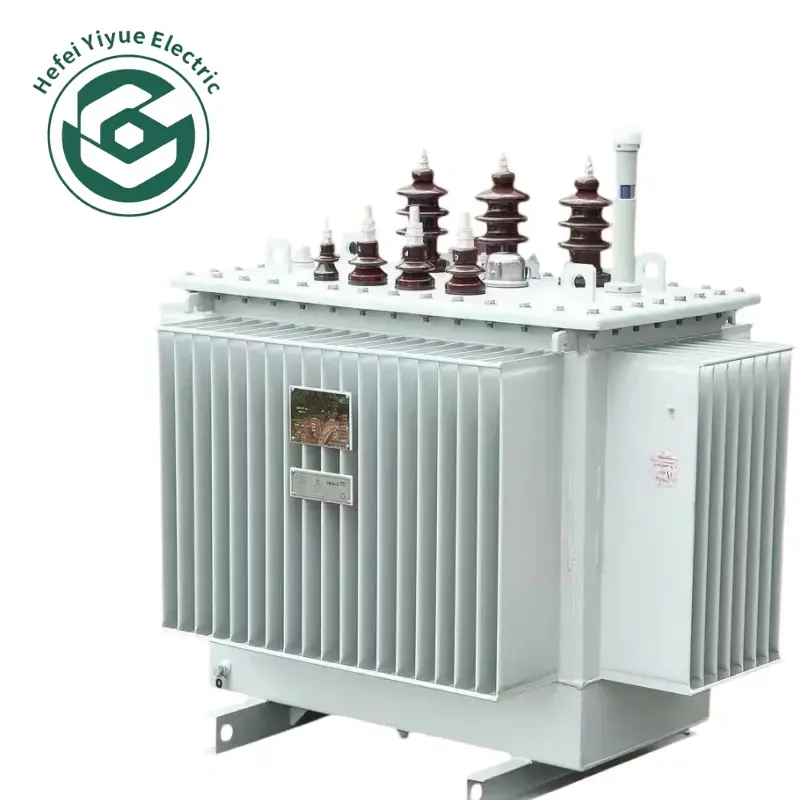
Oil immersed transformers are widely used in high-voltage and large-capacity power transmission systems because of their excellent cooling performance and high reliability.
Key Features of Oil Immersed Transformers:
- High power capacity
- Excellent heat dissipation performance
- Suitable for outdoor installation
- Long service life
- Cost-effective for large-scale applications
Oil immersed transformers are commonly used in:
- Power substations
- Industrial plants
- Utility networks
- Renewable energy projects
- Large commercial facilities
What Is a Dry Type Transformer?
A dry type transformer uses air or solid insulation materials instead of liquid insulation. The windings are typically insulated with epoxy resin, which provides excellent electrical insulation and fire resistance.
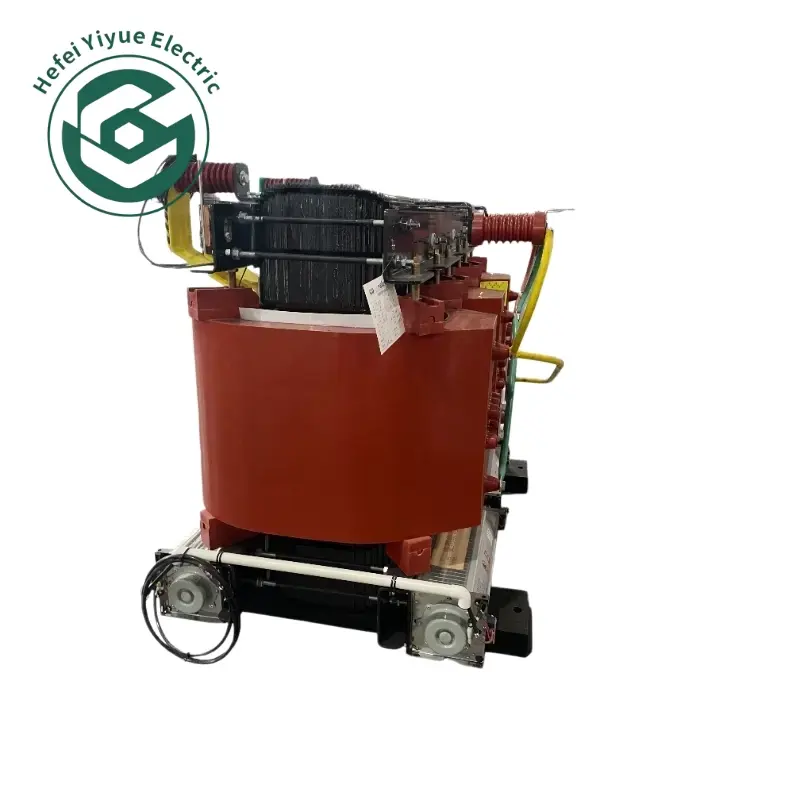
Unlike oil immersed transformers, dry type transformers do not contain flammable liquids, making them ideal for indoor and safety-sensitive environments.
Key Features of Dry Type Transformers:
- No risk of oil leakage
- High fire safety
- Low maintenance requirements
- Environmentally friendly operation
- Suitable for indoor applications
Dry type transformers are commonly installed in:
- Office buildings
- Shopping malls
- Hospitals
- Data centers
- Underground facilities
- Industrial workshops
Oil Immersed vs Dry Type Transformer: Key Differences
1. Cooling Performance
Cooling capability is one of the biggest differences between these two transformer types.
Oil immersed transformers use transformer oil to transfer heat away from the core and windings efficiently. This allows them to handle higher power ratings and continuous heavy loads.
Dry type transformers rely mainly on air cooling, which limits their capacity compared with oil filled transformers.
Winner: Oil immersed transformer
For high-capacity power transmission and heavy industrial applications, oil immersed transformers generally provide better cooling performance.
2. Safety and Fire Protection
Safety requirements are an important consideration when selecting transformers.
Oil immersed transformers contain insulating oil, which requires proper installation and fire protection measures. They are usually installed outdoors or in dedicated transformer rooms.
Dry type transformers use solid insulation materials and contain no flammable liquid, reducing fire risks.
Winner: Dry type transformer
For buildings, hospitals, airports, and other areas with strict safety requirements, dry type transformers are often preferred.
3. Installation Environment
The installation location greatly influences transformer selection.
Oil Immersed Transformer:
Suitable for:
- Outdoor substations
- Power grids
- Large factories
- Renewable energy plants
Dry Type Transformer:
Suitable for:
- Indoor electrical rooms
- Commercial buildings
- High-density urban areas
- Sensitive environments
Winner: Depends on the application
Oil immersed transformers are better for outdoor and large-scale projects, while dry type transformers are ideal for indoor installations.
4. Maintenance Requirements
Maintenance is another important factor affecting the total cost of ownership.
Oil immersed transformers require:
- Regular oil quality testing
- Oil leakage inspections
- Cooling system checks
Dry type transformers require less maintenance because they do not use insulating oil.
However, regular cleaning and ventilation checks are still necessary to maintain proper operation.
Winner: Dry type transformer
Dry type transformers generally require simpler maintenance procedures.
5. Cost Comparison
Initial investment and operating costs vary depending on transformer capacity and application.
Oil immersed transformers usually have:
- Lower purchase cost for high-capacity applications
- Better efficiency under heavy loads
- Lower cost per kVA
Dry type transformers typically have:
- Higher initial cost
- Lower maintenance expenses
- Reduced installation requirements
Winner: Oil immersed transformer for large projects
For large power systems, oil immersed transformers usually provide better economic value.
Comparison Table: Oil Immersed vs Dry Type Transformer
| Feature | Oil Immersed Transformer | Dry Type Transformer |
|---|---|---|
| Cooling Method | Transformer oil | Air / epoxy resin |
| Capacity Range | Medium to very high | Small to medium |
| Installation | Mainly outdoor | Mainly indoor |
| Fire Safety | Requires protection measures | Excellent fire resistance |
| Maintenance | Higher | Lower |
| Cost | More economical for large capacity | Higher initial investment |
| Environmental Risk | Possible oil leakage | Environmentally friendly |
| Applications | Grid, substations, industries | Buildings, hospitals, data centers |
How to Choose Between Oil Immersed and Dry Type Transformers?
The right choice depends on several factors:
1. Consider Your Installation Location
If the transformer will be installed outdoors or in a large industrial facility, an oil immersed transformer is usually the better option.
For indoor applications where safety and space are priorities, a dry type transformer may be more suitable.
2. Evaluate Power Capacity Requirements
Large power demand applications require efficient cooling and high load capability. Oil immersed transformers are commonly selected for high-capacity systems.
Dry type transformers are better suited for low and medium voltage applications.
3. Check Safety and Environmental Requirements
Projects located in urban areas, commercial buildings, or environmentally sensitive locations often require transformers with higher fire safety standards.
In these cases, dry type transformers can provide additional advantages.
4. Consider Long-Term Operating Costs
Transformer selection should not only focus on initial purchase price. Energy efficiency, maintenance requirements, and service life should also be considered.
Working with an experienced power transformer manufacturer can help you select the most suitable transformer solution based on your project requirements.
Why Choose Yi Yue Electric Power Transformers?
Yi Yue Electric provides reliable and efficient power transformer solutions for industrial, commercial, and energy applications.
Our transformer products are designed with:
- High energy efficiency
- Reliable insulation performance
- Stable operation
- Customized voltage and capacity options
- Strict quality control standards
Whether you need an oil immersed transformer for large-scale power systems or a dry type transformer for indoor applications, Yi Yue Electric can provide professional solutions to meet your electrical distribution needs.
Conclusion
Both oil immersed transformers and dry type transformers have unique advantages. Oil immersed transformers are ideal for high-capacity, outdoor, and industrial applications due to their excellent cooling performance and cost efficiency. Dry type transformers are better suited for indoor environments where safety, cleanliness, and low maintenance are priorities.
Before selecting a transformer, consider your project’s voltage requirements, installation environment, safety standards, and long-term operating costs.
Choosing the right power transformer manufacturer ensures better system reliability, improved energy efficiency, and long-term value for your investment.